




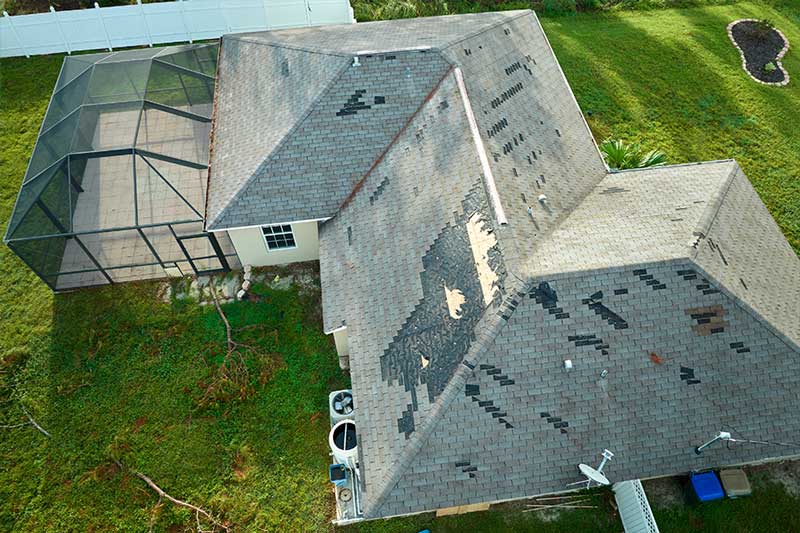
If you have lived in Reno, NV for any length of time, you already know this region does not take it easy on anything left outdoors. The sun is relentless, the temperatures swing hard between day and night, and the wind coming off the Sierra Nevada can be downright punishing. Your roof absorbs all of it, every single day, without a break.
In our service calls throughout Reno, NV and the surrounding Washoe County area, we see the same patterns over and over. Homeowners often do not notice the damage building up on their roof until it shows up as a stain on the ceiling or a spike in their energy bill. By that point, what could have been a minor repair has turned into something much more involved. Understanding what the high desert climate actually does to roofing materials is the first step toward staying ahead of it.
The UV Problem Is Worse Than Most People Realize
Reno, NV sits at roughly 4,500 feet above sea level. At that elevation, ultraviolet radiation is significantly more intense than what homeowners in lower-altitude cities deal with. The atmosphere is thinner up here, which means less natural filtration between the sun and your roof surface.
For asphalt shingles, the most common roofing material on homes throughout the Truckee Meadows, UV exposure is the primary driver of accelerated aging. Here is what prolonged UV exposure does over time:
- Granule loss: The protective granules embedded in asphalt shingles gradually loosen and wash away, leaving the underlying asphalt exposed to direct sunlight.
- Oxidation and brittleness: UV rays break down the oils in asphalt, causing shingles to dry out, crack, and become brittle years before their expected lifespan.
- Color fade: This is mostly cosmetic, but significant fading is often an early visual indicator that the material is degrading at a deeper level.
- Underlayment breakdown: UV exposure does not stop at the shingle surface. On older roofs or those with gaps in coverage, the underlayment beneath the shingles can also degrade, reducing its ability to act as a secondary moisture barrier.
Working in homes across Reno, NV, we regularly inspect roofs that look acceptable from the street but show serious UV-related wear up close. That is why a visual check from the ground often misses what a trained eye can catch from the roofline.
Temperature Swings Put Your Roofing Materials Under Constant Stress
The desert is famous for its heat, but what makes Reno, NV’s climate particularly hard on roofing is not the heat alone. It is the daily cycle of extreme temperature variation. Summer days can push well above 90 degrees, while nighttime temperatures frequently drop into the 50s. In the shoulder seasons, that swing can be even more dramatic.
Every time the temperature shifts, roofing materials expand and contract. This is normal in small doses. The problem is that it happens hundreds of times per year in Reno, NV, and the cumulative effect on your roof structure is significant.
What we see in Reno, NV properties as a result of thermal cycling:
- Cracked or lifted shingles: Repeated expansion and contraction cause shingles to separate at seams or lift at the edges, creating entry points for water and wind.
- Fastener loosening: Roofing nails and screws work through the same cycle. Over time, they can back out slightly, reducing the hold on shingles and flashing.
- Flashing failures: Metal flashing around chimneys, vents, and skylights expands and contracts at a different rate than the surrounding roofing material. This mismatch creates stress at the seams and can eventually lead to gaps.
- Deck movement: In older homes, the roof deck itself can develop minor warping or movement under prolonged thermal stress, which affects the entire roof system above it.
These are not problems that develop overnight. They build gradually over years of daily cycling. But when they are caught early, they are also relatively straightforward for a professional crew to address before they compound into larger structural concerns.
Wind Off the Sierra Nevada Is a Year-Round Factor
Reno, NV is not a calm-weather city. The east side of the Sierra Nevada creates a natural funnel for wind events throughout the year, and the Truckee Meadows area sits directly in the path of that airflow. Gusts during storm events regularly exceed 50 to 60 miles per hour, and on the exposed ridgelines north and east of the city, gusts can climb even higher.
Wind damage to roofing tends to be concentrated and often goes undetected until a secondary problem, like a leak, makes it visible. Common wind-related roofing issues we address in Reno, NV:
- Lifted or missing shingles: Strong gusts get underneath shingle edges, particularly on roofs where thermal cycling has already loosened the adhesive seal. Once a shingle lifts, the waterproof seal beneath it is compromised.
- Debris impact damage: Reno, NV’s winds carry debris. Branches, gravel, and other material carried across a roof at high speed can crack shingles, damage flashing, and score the granule surface.
- Valley and ridge cap damage: These are the most aerodynamically exposed sections of a roof. Ridge caps in particular take a direct hit during high-wind events and are a frequent repair item on homes throughout the area.
- Chimney and vent flashing displacement: Wind pressure can push improperly sealed flashing, creating or widening gaps that allow water infiltration during subsequent rain or snowmelt events.
After significant wind events, especially those that produce visible debris in the yard or neighborhood, a professional roof inspection is the most reliable way to determine whether damage occurred.
Dry Air and Low Humidity Accelerate Material Wear
One factor that often gets overlooked in conversations about desert roofing is humidity, or more precisely, the lack of it. Reno, NV averages some of the lowest relative humidity levels in the country for a mid-sized city. That persistent dryness affects roofing materials in ways that are less obvious than wind or UV damage but equally important over time.
Asphalt shingles rely on a certain level of flexibility to resist cracking under thermal stress and impact. In arid climates, the lack of ambient moisture accelerates the drying and hardening of roofing materials. A shingle that might last 25 to 30 years in a moderate-humidity climate may show significant brittleness and wear in 18 to 20 years under Reno, NV’s conditions.
Dry conditions also affect wood components in the roof system. Fascia boards, rake boards, and any exposed wood trim are more susceptible to splitting and cracking when they are not retaining adequate moisture. Once the protective finish on these surfaces degrades, the wood underneath becomes vulnerable to further deterioration.
This is one of the reasons material selection matters so much in this market. Not every shingle product performs equally well in arid, high-elevation conditions, and the installation methods that work well in other climates may need to be adapted for what Reno, NV actually puts a roof through.
Winter Brings Its Own Set of Challenges
Reno, NV sits at the edge of the Sierra Nevada’s snow influence, and while the city itself sees less snowpack than the mountains to the west, winter weather is still a real factor for local homeowners. The area receives meaningful snowfall most years, and the freeze-thaw cycle that follows storm events is one of the more damaging forces a roof faces.
Here is how winter weather affects Reno, NV rooftops:
- Ice damming: When heat escapes through an inadequately insulated attic, it warms the roof deck, melting snow from the underside. That meltwater runs down to the colder eave area and refreezes. The resulting ice dam can back up water under the shingles and into the structure.
- Freeze-thaw cycles: Water that enters even minor cracks or gaps in roofing material during the day will expand as it freezes overnight. Over the course of a single winter, this repeated expansion significantly widens existing damage points.
- Snow load stress: Extended periods with snow on the roof add structural weight that the framing system must support. On older homes or roofs where prior water damage has compromised structural members, this load can accelerate deterioration.
- Condensation and attic moisture: Cold winters combined with warm interior living spaces can create significant condensation in the attic, affecting the underside of the roof deck and the performance of the insulation.
Addressing insulation, ventilation, and roofing integrity before winter is one of the most practical steps a Reno, NV homeowner can take to avoid costly mid-season repairs.
What a Desert-Ready Roof Actually Looks Like
Based on what we see year after year in Reno, NV properties, roofs that hold up well in this climate tend to share a few common characteristics. These are not design choices. They are practical decisions about materials and installation that reflect what the local environment actually demands.
Characteristics of roofing systems that perform well in Reno, NV’s conditions:
- High-reflectivity or UV-resistant shingle products: Not all asphalt shingles are rated equally for UV resistance. Products designed for high-altitude or desert conditions include additives that slow oxidation and extend service life under intense sunlight.
- Reinforced underlayment: A high-quality synthetic underlayment beneath the shingle layer provides a meaningful secondary barrier against both moisture infiltration and the uplift forces generated by Reno, NV’s wind events.
- Properly sealed and inspected flashing: Flashing at every penetration point, valley, and edge must be installed correctly and periodically inspected. This is where most of the leaks we encounter in Reno, NV originate.
- Adequate attic ventilation: Good airflow through the attic space moderates temperature extremes at the roof deck, reduces moisture buildup in winter, and extends the life of roofing materials from below.
- Ridge cap and edge detail attention: These exposed areas bear the brunt of Reno, NV’s wind. Proper installation and regular inspection of ridge caps and drip edge details make a measurable difference in how a roof holds up between major service intervals.
None of these elements is exceptional on its own. Together, they form a roofing system that is matched to what this climate actually demands rather than what would work adequately somewhere else.
How Often Should a Reno, NV Roof Be Inspected?
Given the combination of UV intensity, thermal cycling, seasonal wind events, and dry air that Reno, NV roofs contend with, annual professional inspections are a reasonable standard for most homes in the area. Twice per year, once in the fall before winter weather arrives and again in the spring after snow season ends, gives the best picture of any developing issues before they progress.
Beyond scheduled inspections, there are specific conditions that warrant an unscheduled evaluation:
- Following any wind event with sustained gusts above 45 miles per hour
- After hail, even if the stones appeared small
- Whenever interior ceiling staining or moisture appears, regardless of the season
- Before listing a home for sale or after purchasing an older home
- When a roof is approaching the 15-year mark, given Reno, NV’s accelerated wear conditions
The goal of regular inspection is not to generate unnecessary repair work. It is to identify the small problems while they are still small. In a climate as demanding as Reno, NV’s, that window closes faster than most homeowners expect.
Coyote Roofers Has You Covered, Desert and All
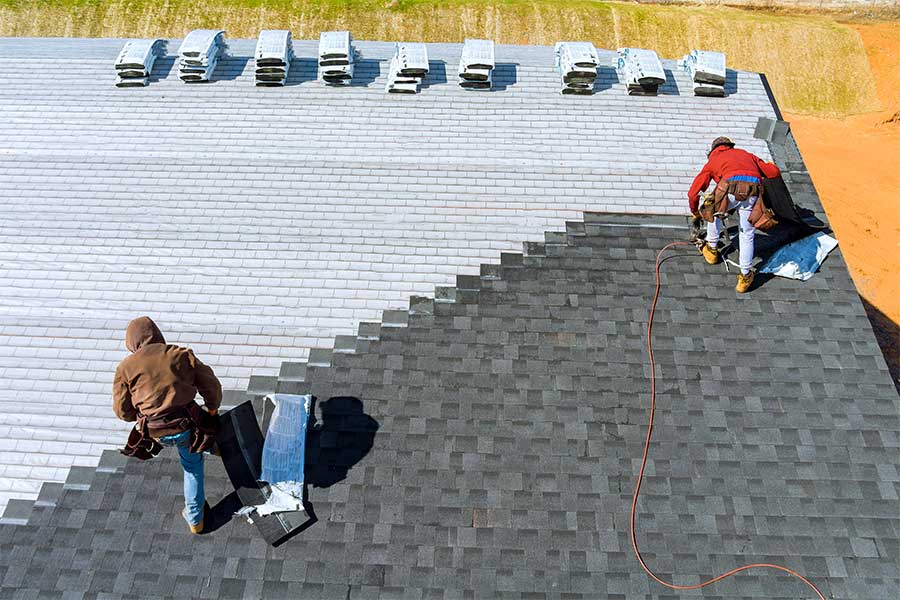
Your roof is the only thing standing between your home and everything Reno, NV’s climate throws at it. At Coyote Roofers, we have spent years working on homes across Washoe County, NV, from the established neighborhoods near the University to the newer developments pushing out toward Sparks, NV and Spanish Springs, NV. We know what this climate does to roofing materials, and we know how to address it honestly and without unnecessary upsells.
If your roof is due for an inspection, showing signs of wear, or coming off a rough winter, contact our team today and we will take a look and give you a straight assessment of where things stand.